Sumit chrono
7 months ago


Rod and cone dystrophy affects the cells that see in dim light and those that see detail and colour. In a country with very strong sunlight, glare is often the first thing families notice. This page explains the condition, the support available and where stem cell research stands.
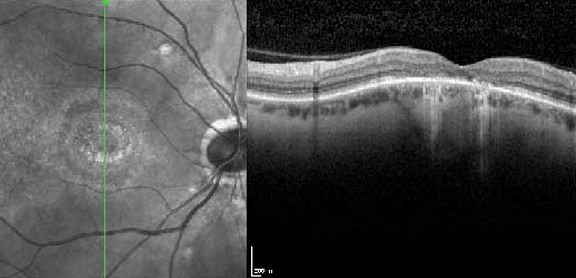
Rods handle dim light and side vision, while cones give sharp central vision, colour and daylight comfort. When both fail, people struggle with glare, colour and night vision.
Australia has some of the highest UV levels in the world. For people with this condition, UV-blocking sunglasses and a hat are not only about comfort, they are part of everyday eye care.
Several tests together give the clearest picture.
There is no approved stem cell treatment for this condition.
Supporting photoreceptors that remain.
Patients with a confirmed diagnosis and some useful vision left.
Outcomes vary and nothing is guaranteed.
Records first, then an in-person examination before any decision.
Practical help is available.
Schools and universities can provide seating, large print and exam adjustments. Ask about special provisions.
Ask your specialist about eligibility for support, including low-vision equipment.
Reduce glare, with a wide-brimmed hat outdoors.
WhatsApp +91-9760013103.
Eye Stem Cell Center brings together pioneers in stem cell biotechnology and highly experienced ophthalmologists to provide advanced regenerative eye care with compassion and precision.
Dr. Pallavi is renowned for her expertise in cataract and corneal surgeries. With thousands of successful procedures, she combines surgical precision with a patient‑first approach.
Get ConsultationDr. Robin specializes in advanced cataract surgery, refractive procedures, and keratoconus treatment. His clinical excellence ensures patients receive world‑class eye care.
Get ConsultationDr. Pawan is an expert in retinal disorders, diabetic retinopathy, and advanced retina procedures. His patient‑focused approach ensures precise treatment and long‑term vision care.
Get ConsultationGlasses correct ordinary refractive error but cannot repair damaged retinal cells.
Most forms are. Genetic counselling can clarify the risk for relatives.
Many do, with seating, large print and understanding teachers.