
Sumit chrono
7 months ago


Stargardt's disease and other macular dystrophies cannot yet be cured, but a good care plan protects independence and school or work performance. This page sets out that plan for patients in London.
The condition damages the macula, so reading and recognising faces become difficult while side vision remains. It usually begins in childhood or the teens.
Most cases are inherited, often in a recessive pattern, so relatives can feel worried or guilty. A clear explanation of inheritance helps families, and siblings can be screened early.
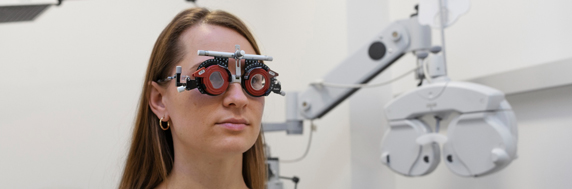
These tests separate Stargardt disease from other causes of central blur.
Care is centred on protection and support.
UV-blocking sunglasses outdoors.
High-dose vitamin A supplements are generally avoided unless a doctor advises them.
Smoking harms general eye health.
Gene and cell therapies are being studied worldwide. Ask your consultant about trials.
Practical tools and open conversation help young patients most.
Magnifiers, e-readers and lighting advice.
Teaches use of the healthy retina beside the damaged centre.
Ask about Disabled Students' Allowance and exam access arrangements.
Send OCT and genetic reports on WhatsApp at +91-9760013103.
Eye Stem Cell Center brings together pioneers in stem cell biotechnology and highly experienced ophthalmologists to provide advanced regenerative eye care with compassion and precision.
Dr. Pallavi is renowned for her expertise in cataract and corneal surgeries. With thousands of successful procedures, she combines surgical precision with a patient‑first approach.
Get ConsultationDr. Robin specializes in advanced cataract surgery, refractive procedures, and keratoconus treatment. His clinical excellence ensures patients receive world‑class eye care.
Get ConsultationDr. Pawan is an expert in retinal disorders, diabetic retinopathy, and advanced retina procedures. His patient‑focused approach ensures precise treatment and long‑term vision care.
Get ConsultationMost cases are, often in a recessive pattern.
They correct ordinary refractive error but not macular damage.
Usually in childhood or the teenage years, though some notice it later.



