Have any question? Call Us Now?

stem cell therapy in india Archives - Page 3 of 4 - Eye Stem Cell Center
May 12, 2025
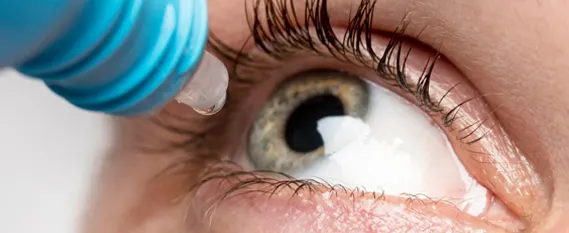
Treatment for Eye Vision Loss in India
India is one of the foremost places where individuals from all corners of the globe undergo treatment for their illnesses particularly in the field of ophthalmology. Due to the ever-increasing population suffering from vision impairment, there is a greater need for effective treatment for eye vision loss. At Eye Stem Cell Center India, we are

May 06, 2025
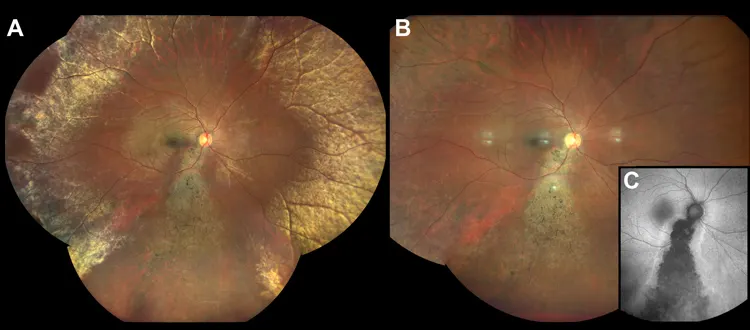
Understanding and Treating Stickler Syndrome Retinal Dystrophy
Stickler Syndrome is a congenital genetic disorder that impacts connective tissues across the body, specifically collagen — the protein responsible for strength and structure in joints, cartilage, and the eye. Perhaps the most serious complication linked to Stickler Syndrome is Retinal Dystrophy, a potentially sight-stealing condition that requires early diagnosis and treatment. What is Stickler
May 02, 2025
Understanding Oguchi Disease and It’s Vision Loss Treatment in India
Introduction Oguchi disease is a rare inherited disorder of the retina, the light-sensitive tissue at the back of the eye. It was named after Dr. Chuta Oguchi, who first reported it in 1907. The condition is marked by night blindness and characteristic changes in the color of the retina. While not dangerous, Oguchi disease has
April 29, 2025
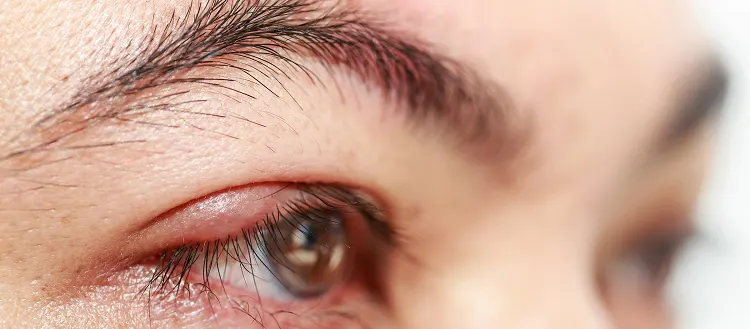
Navigating Retinitis Pigmentosa Treatment Options in New Delhi
Retinitis Pigmentosa (RP) is a collection of genetic diseases that cause progressive degeneration of the retina, usually causing night blindness, loss of peripheral vision, and, in late stages, loss of central vision. Although there is no known cure at present, New Delhi provides a range of treatments to control symptoms and retard disease progression. Traditional
April 12, 2025
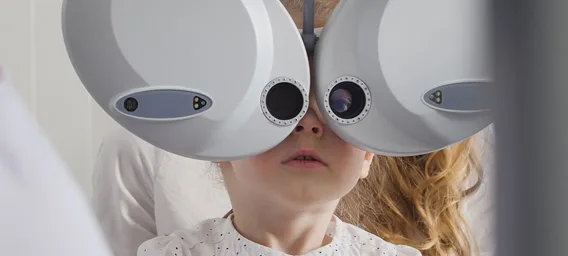
Exploring Excellence treatment of eye diseases at the best eye stem cell treatment center
Searching for Excellence in the treatment of eye diseases at the top eye stem cell treatment center In disease or injury to the human eye, new prospects and solutions are viewed through the assistance of stem cell therapy. The selection of the top eye stem cell treatment center can prove to be an important consideration
February 20, 2025
RP Treatment in India: Advancements in Stem Cell Therapy for Retinitis Pigmentosa
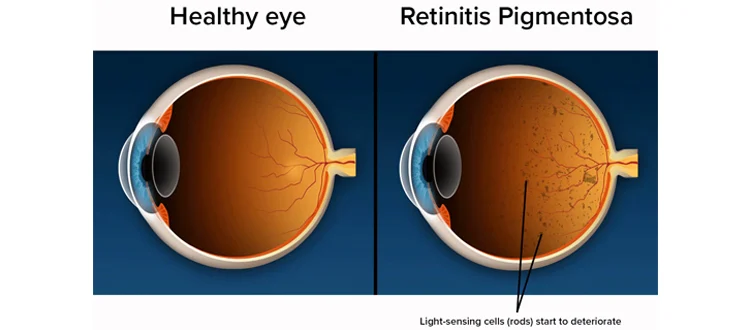
Retinitis Pigmentosa (RP) functions as a degenerative disease that attacks the retina while causing vision deterioration until total blindness emerges in several patients. The widespread rare inherited eye disorder known as RP disrupts major life activities of those living with this condition. The traditional available treatment for RP involved symptom control and disease progression delay
February 15, 2025
Eye Vision Loss Treatment: A Breakthrough Solution at Eyestemcellcenter
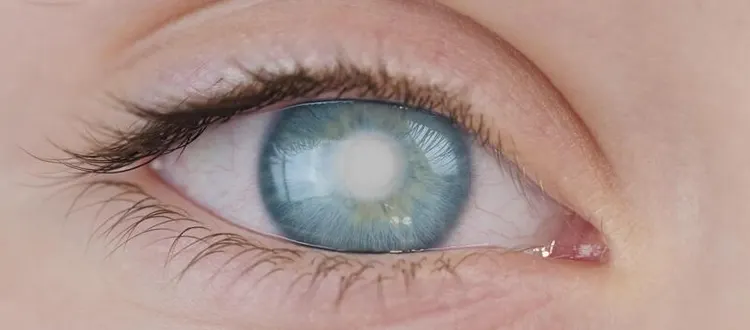
The loss of vision causes severe life-altering problems. The effect of vision loss becomes severe because of three main groups of causes including age-related macular degeneration with retinal diseases and genetic conditions. The field of medical science provides new possibilities for treating eye vision loss that used to be managed through either symptom control or
February 10, 2025
Rod and Cone Dystrophy Treatment in India: Restoring Vision with Stem Cell Therapy
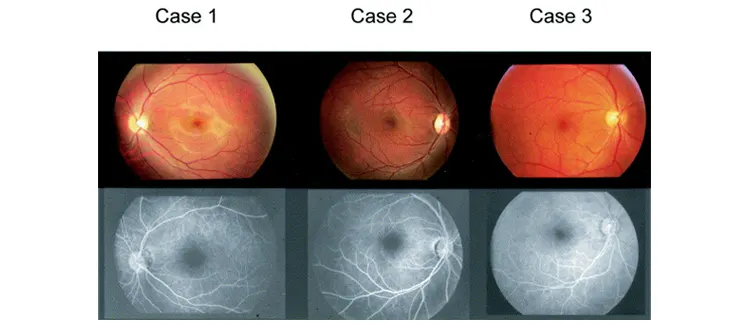
Rod and cone dystrophy forms a collection of inherited retinal disorders that attack the rod and cone cells inside the retina. These special light-sensitive cells receive signals from the brain by picking up light energy. The eyesight loss from this condition becomes more severe until patients lose all light perception. Stem cell therapy provides new

February 05, 2025
Retinal Dystrophy Treatment in India: Advancements and Hope Through Stem Cell Therapy
The hereditary eye diseases which constitute retinal dystrophy reduce retina health through sustained degeneration that creates vision loss and may result in blindness. These genetic conditions produce the damage that current therapies struggle to counter or repair. The advancements in medical science through stem cell therapy bring new hope as a potential therapeutic solution to
January 18, 2025
Night Blindness Treatment: Physical and Vision Restoration via Stem Cell Treatment
A low light intensity vision loss also referred to as nyctalopia is a vision disorder wherein an individual struggles to see particularly at night. Night blindness is characterized by the ability of individuals to have a difficult time viewing items in poorly lit or during nighttime activities such as when driving during the night. Even
