Have any question? Call Us Now?

stem cell therapy in india Archives - Eye Stem Cell Center

February 27, 2026
Exploring Regenerative Eye Care in India: The Emerging Role of Stem Cell Therapy
India is increasingly recognized for advancements in ophthalmic regenerative medicine. For patients facing progressive retinal or optic nerve damage, stem cell therapy is being explored as a supportive treatment under controlled medical protocols. Conditions Being Studied Stem cell therapy in India is explored for: Leber’s hereditary optic neuropathy Optic nerve atrophy Retinal dystrophies Autoimmune-related optic
February 21, 2026
Stem Cell Therapy for Retinal Disorders in India: Advancing Vision Care
Vision loss caused by retinal and optic nerve disorders can deeply impact quality of life. In India, stem cell therapy is being explored as a regenerative option for selected degenerative eye conditions under specialized medical supervision. Understanding Retinal Degeneration The retina is a delicate neural tissue responsible for transmitting visual signals to the brain. Conditions
February 19, 2026
How Eye Stem Cell Center Supports Patients with Retinal and Optic Nerve Disorders
Vision disorders involving the retina and optic nerve require specialized evaluation and long-term management. These conditions often progress gradually and can significantly affect daily life. Eye Stem Cell Center focuses on responsible, regenerative ophthalmic approaches designed to support patients facing degenerative retinal and optic nerve disorders while maintaining strict clinical and ethical standards. The retina

January 24, 2026
Stem Cell remedy for Rod and Cone Dystrophy in India Focus on New Inventions for Retinal Dystrophy
Rod and cone dystrophies including retinitis pigmentosa, cone- rod dystrophy and related inherited retinal declensions — precipitously destroy photoreceptors and can lead to severe vision loss. Traditional treatments substantially manage symptoms or slow progression; they infrequently restore lost photoreceptors. lately, still, stem cell – grounded approaches have surfaced as one of the most promising strategies

January 20, 2026
Advanced Stem Cell Treatment for Vision Disorders in Egypt
Egypt is facing growing challenges in eye health due to rising diabetes prevalence, increasing life expectancy, environmental factors, and limited access to specialized ophthalmic care in rural and underserved regions. While urban centers offer modern eye hospitals, a large segment of the population still lacks early diagnosis and advanced treatment options. As a result, common

January 20, 2026
Stem Cell results for Macular Dystrophy in India rearmost Clinical Developments
Macular dystrophies — inheritable diseases that damage the central retina have long posed a tough challenge progressive central vision loss with limited treatment options. Over the once many times, still, regenerative drug has moved from hopeful laboratory wisdom into mortal trials. In India, experimenters and biotech startups are now rephrasing stem- cell wisdom into concrete

December 04, 2025
How Stem Cell Therapy Is Revolutionizing Treatment for Glaucoma- Induced Optic Atrophy in India
Glaucoma remains one of the world’s leading causes of unrecoverable blindness, primarily by causing progressive damage to the retinal ganglion cells( RGCs) and the optical nerves. Over time, this damage can lead to optical atrophy — a degenerative thinning of the optical nerves which standard treatments, similar as intraocular- pressure( IOP) – lowering specifics or
November 26, 2025
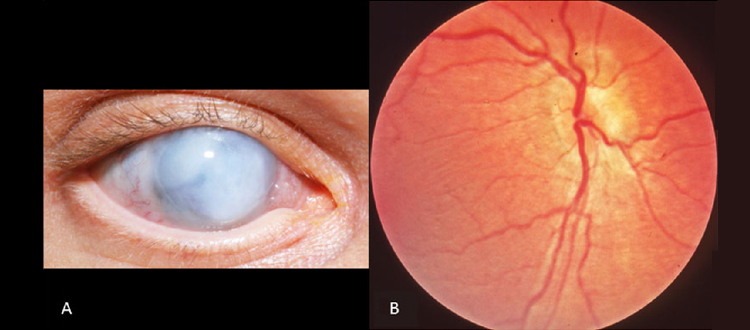
Stem Cell Treatment for Leber natural Amaurosis( LCA) in India Regenerating the Optic Nerves
Leber natural amaurosis( LCA) is a group of inherited retinal diseases that beget severe visual impairment or blindness from immaturity. Traditionally, operation concentrated on low- vision support and decelerating progression, but the last decade has seen rapid-fire advances in inheritable drugs and regenerative curatives. For families in India, stem cell – grounded approaches are arising
November 20, 2025
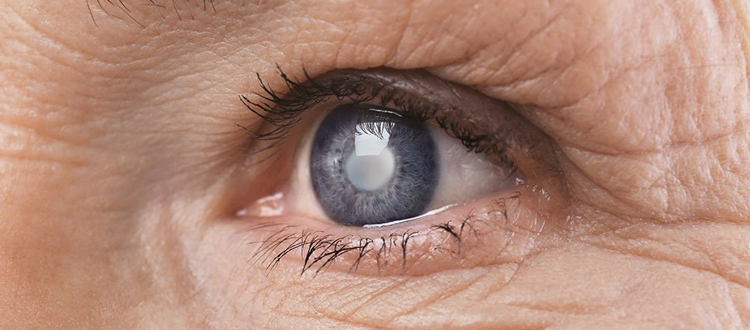
How Stem Cell Therapy Is Revolutionizing Treatment for Glaucoma- Induced Optic Atrophy in India
Glaucoma remains one of the world’s leading causes of unrecoverable blindness, primarily by causing progressive damage to the retinal ganglion cells( RGCs) and the optical nerves. Over time, this damage can lead to optical atrophy — a degenerative thinning of the optical nerves which standard treatments, similar as intraocular- pressure( IOP) – lowering specifics or
October 31, 2025
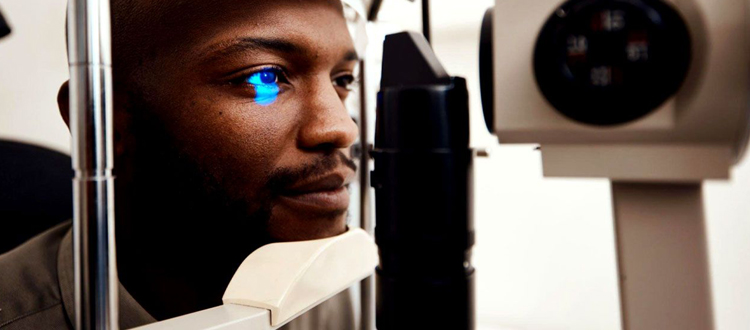
Glaucoma Treatment with Stem Cells
Overview of Glaucoma Glaucoma is a chronic condition where the normal function of the optic nerve is slowly compromised. It is usually linked to raised intraocular pressure, but other factors, including reduced blood flow to and damage of the optic nerve, are also involved. It may be slow and painless in onset, making it all the more
