Have any question? Call Us Now?

Stem Cell Therapy for Vision Disorders in Congo: Hope for the Future
March 07, 2026/ 0 comment
Stem Cell Therapy for Vision Disorders in Congo: Hope for the Future
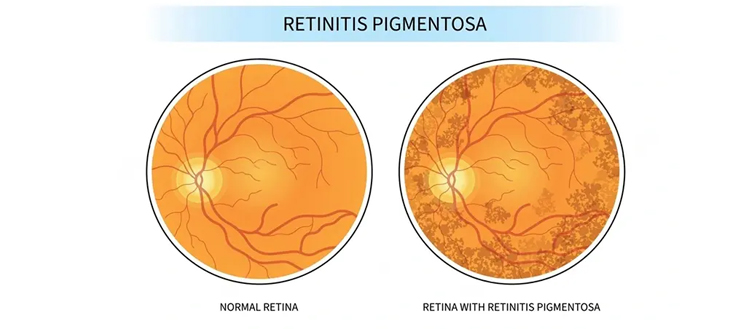
Many in the Democratic Republic of Congo have retinitis pigmentosa (RP), optic atrophy, macular degeneration and other retinal disorders. They result in slow vision impairment, which usually starts with night blindness or fuzzy central vision. Access to further eye care is low due to healthcare issues, extensive commuting to specialists, and absence of local care for rare diseases. Patients also fight mobility, employment and self-sufficiency on a daily basis. Nonetheless, the progress in the field of regenerative medicine has created a new hope.
Understanding Vision Disorders in Congo
The eye’s light-sensitive cells are destroyed by retinal diseases. RP is a prevalent inherited disease that attacks rods and cones, resulting in tunnel vision and blindness. Optic atrophy destroys the optic nerve, severing the brain signals. Such issues normally begin during childhood or adulthood, and they gradually deteriorate. In the DRC, there is poor access to genetic testing and expert care, which makes early diagnosis challenging. The traditional remedies, such as vitamins, sunglasses, and low-vision aids, are able to delay the process but not restore the damage.
What is stem cell therapy?
Stem cell treatment involves repair of damaged eye tissue or replacement by special cells. These cells can be umbilical cord or bone marrow. In eye diseases, they are used to decrease the level of inflammation, preserve the cells that are left and, in other cases, restore the retinal tissue. Stem cells offer a regenerative method, unlike regular drugs. Patients tend to complain about improved light perception, increased visual field or stabilised vision after treatment.
Still in development, stem-cell techniques are promising in clinical trials around the world in RP and other related disorders. Research is conducted to test safety and efficacy, and functional improvements are realised in some of the patients.
Challenges for Patients in Congo
In DRC, there are few hospitals with advanced retinal care. International travel adds expenses and logistical problems. Regenerative awareness is low in the area. But now the Congolese patients are accepted in international centres, where they are provided with assessments and individual protocols.
A Path Forward: Accessible Options
The Eye Stem Cell Center is a specialty centre dealing with eye regenerative treatments. It makes Congolese patients have access to trained ophthalmologists and stem-cell protocols that work. Following a professional assessment, treatment is aimed at stabilising the eyesight and improving normal everyday life. These services have served many patients (including Congo) in Africa to treat RP, optic atrophy, and others.
Patients consulted until the end at the centre. The surgery is minimalistic and conducted in a contemporary environment. There are differences in outcome, and early intervention provides the most promising outcomes.
Looking to the Future
The world is advancing rapidly. New trials are also trying stem cells to repair the retina and have demonstrated good results in animals and in early trials in humans. More awareness and local support would accelerate access in Congo. Meanwhile, foreign experience provides new care.
In case you or someone dear to you suffers loss of sight, do it soon. See an eye doctor and wonder about the options of regeneration. Stem-cell therapy is a real chance of a better future.
For more details on options designed for patients from Congo, visit eyestemcellcenter.com.
