Have any question? Call Us Now?

Oman: Stem Cell Therapy for Degenerative Vision Disorders
March 04, 2026/ 0 comment
Oman: Stem Cell Therapy for Degenerative Vision Disorders
In Oman, patients diagnosed with progressive retinal and optic nerve disorders are increasingly researching advanced regenerative eye care options. Conditions such as Retinitis Pigmentosa and Leber Hereditary Optic Neuropathy (LHON) can gradually impair vision, often leading individuals to explore international centers specializing in regenerative ophthalmology, including programs available at Eyestemcellcenter.com.
Degenerative vision disorders affect the retina or optic nerve — structures essential for transmitting visual information to the brain. Retinitis Pigmentosa involves gradual photoreceptor cell degeneration, often beginning with night blindness and peripheral vision loss. LHON primarily affects the optic nerve, leading to sudden or progressive central vision impairment. In advanced stages, these conditions significantly impact daily function and independence.
Conventional ophthalmic management typically focuses on monitoring progression, providing supportive care, and managing complications. However, regenerative medicine is being studied as a complementary approach aimed at protecting remaining viable cells rather than reversing total blindness.
Stem cell therapy is explored within carefully controlled medical protocols to potentially support the retinal microenvironment, regulate inflammatory responses, and enhance cellular stability. It is essential to clarify that stem cell therapy is not considered a cure for retinal degeneration. Instead, it may serve as a supportive intervention for selected candidates who meet strict eligibility criteria.
Patients from Oman commonly seek evaluation for:
-
Retinitis Pigmentosa
-
LHON (Leber Hereditary Optic Neuropathy)
-
Optic Nerve Atrophy
-
Cone and Cone-Rod Dystrophy
-
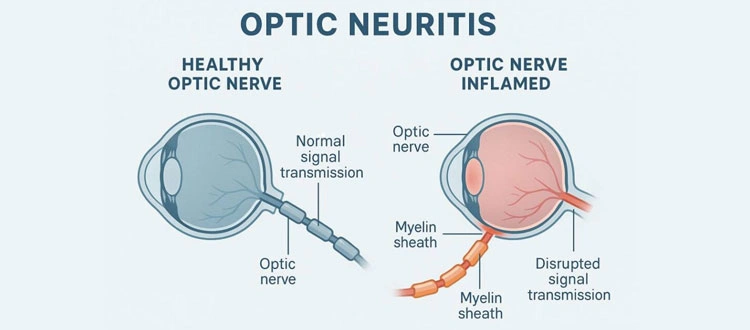
Selected inflammatory optic neuropathies
Thorough diagnostic testing is the foundation of responsible treatment planning. At Eyestemcellcenter.com, patients undergo detailed ophthalmic evaluation, which may include Optical Coherence Tomography (OCT), visual field testing, electroretinography (ERG), fundus photography, and systemic medical review. These investigations help determine the extent of retinal damage and assess whether sufficient viable tissue remains for regenerative support.
Realistic counseling is equally critical. Patients are clearly informed about expected outcomes, limitations, and the fact that regenerative therapy aims to stabilize or potentially support function — not restore completely lost vision. Ethical sourcing of stem cells, sterile laboratory processing, and ophthalmologist-led administration are mandatory components of safe treatment delivery.
Evidence-based application distinguishes responsible centers from unverified claims. Structured protocols, adherence to medical standards, and transparent documentation ensure patient safety. Additionally, post-treatment monitoring is vital. Follow-up assessments allow physicians to evaluate visual stability, track changes, and provide long-term guidance once patients return to Oman.
Regenerative ophthalmology represents careful scientific advancement supported by ongoing research. While not suitable for every patient, stem cell therapy may offer supportive potential for selected individuals diagnosed in earlier stages of degeneration.
Stem cell therapy For patients in Oman considering international regenerative eye care, verified medical credentials, comprehensive diagnostic evaluation, and informed decision-making are essential. Eyestemcellcenter.com emphasizes ethical practice, patient safety, and scientifically grounded treatment planning for degenerative vision disorders.
