Have any question? Call Us Now?

Indonesia: Stem Cell Therapy for Retinal Degeneration and Optic Nerve Disorders
February 22, 2026/ 0 comment
Indonesia: Stem Cell Therapy for Retinal Degeneration and Optic Nerve Disorders
Indonesia is witnessing a growing number of patients diagnosed with inherited and degenerative eye diseases, particularly among aging populations and individuals with genetic retinal conditions. Disorders such as Retinitis Pigmentosa, Leber Hereditary Optic Neuropathy (LHON), optic nerve atrophy, and cone-rod dystrophy can progressively impair vision, reducing independence and overall quality of life. As medical awareness expands, many Indonesian patients are researching advanced treatment options abroad, including regenerative ophthalmology programs offered by Eyestemcellcenter.com.
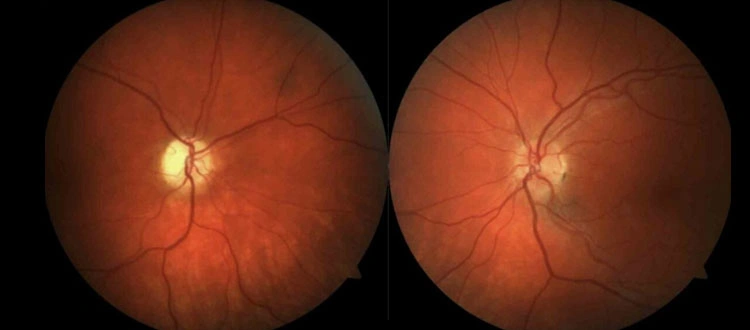
Stem Cell Treatment for optic nerve disorders in Indonesia involve gradual damage to photoreceptor cells or nerve fibers responsible for transmitting visual signals to the brain. Once these cells deteriorate, visual field narrowing, reduced night vision, blurred central vision, and contrast sensitivity loss may occur. Traditional treatment approaches typically focus on slowing progression and managing complications, but they often cannot restore damaged retinal tissue.
Stem cell therapy has emerged as a carefully studied regenerative approach within modern ophthalmology. Stem cells have the biological capacity to self-renew and, under strictly controlled medical conditions, may support retinal cell protection, regulate inflammation, and enhance the microenvironment surrounding damaged tissues. It is important to clearly state that stem cell therapy is not a universal cure for blindness. Instead, it is considered a supportive therapeutic option for selected patients based on detailed medical screening.
Patients from Indonesia commonly seek evaluation for:
-
Retinitis Pigmentosa
-
Optic Nerve Atrophy
-
Cone-Rod Dystrophy
-
Autoimmune Retinopathy
-
LHON (Leber Hereditary Optic Neuropathy)
At Eyestemcellcenter.com, patient safety and scientific integrity remain the highest priorities. Comprehensive diagnostic assessment is required before determining eligibility. This evaluation typically includes Optical Coherence Tomography (OCT), electroretinography (ERG), visual field testing, fundus photography, and a detailed systemic health review. Disease stage and remaining viable retinal cells play a critical role in candidacy determination.
Ethical standards are central to responsible regenerative treatment. Stem cells must be sourced appropriately and processed within sterile laboratory environments that meet strict medical protocols. Procedures are performed under the supervision of experienced ophthalmologists trained in managing complex retinal conditions. Clear communication ensures patients understand realistic expectations, potential benefits, and limitations before proceeding.
Structured follow-up care is equally important. Because visual improvements or stabilization may occur gradually, long-term monitoring allows specialists to track retinal function and overall progress. Continued medical communication supports Indonesian patients even after returning home.
For individuals in Indonesia exploring regenerative eye therapy, careful research and credential verification are essential steps. Eyestemcellcenter.com emphasizes transparency, evidence-based practice, and individualized evaluation. While stem cell therapy cannot reverse completely destroyed retinal tissue, responsible application under expert supervision may offer supportive potential for selected retinal and optic nerve disorders.
Informed decisions, ethical treatment delivery, and realistic expectations remain fundamental to safe and trustworthy regenerative ophthalmology.
