Retinitis Pigmentosa In Ethiopia - Eye Stem Cell Center
- Home
- Retinitis Pigmentosa In Ethiopia
Retinitis Pigmentosa in Ethiopia: telling it apart from other causes of night blindness, and getting a remote review
Trouble seeing at dusk is common in many communities, and it does not always mean RP. Families in Addis Ababa, Hawassa, Bahir Dar and Mekelle often wait a long time for a clear diagnosis. This page explains how RP is confirmed, what helps today, and how Eye Stem Cell Center in India reviews reports from Ethiopia.
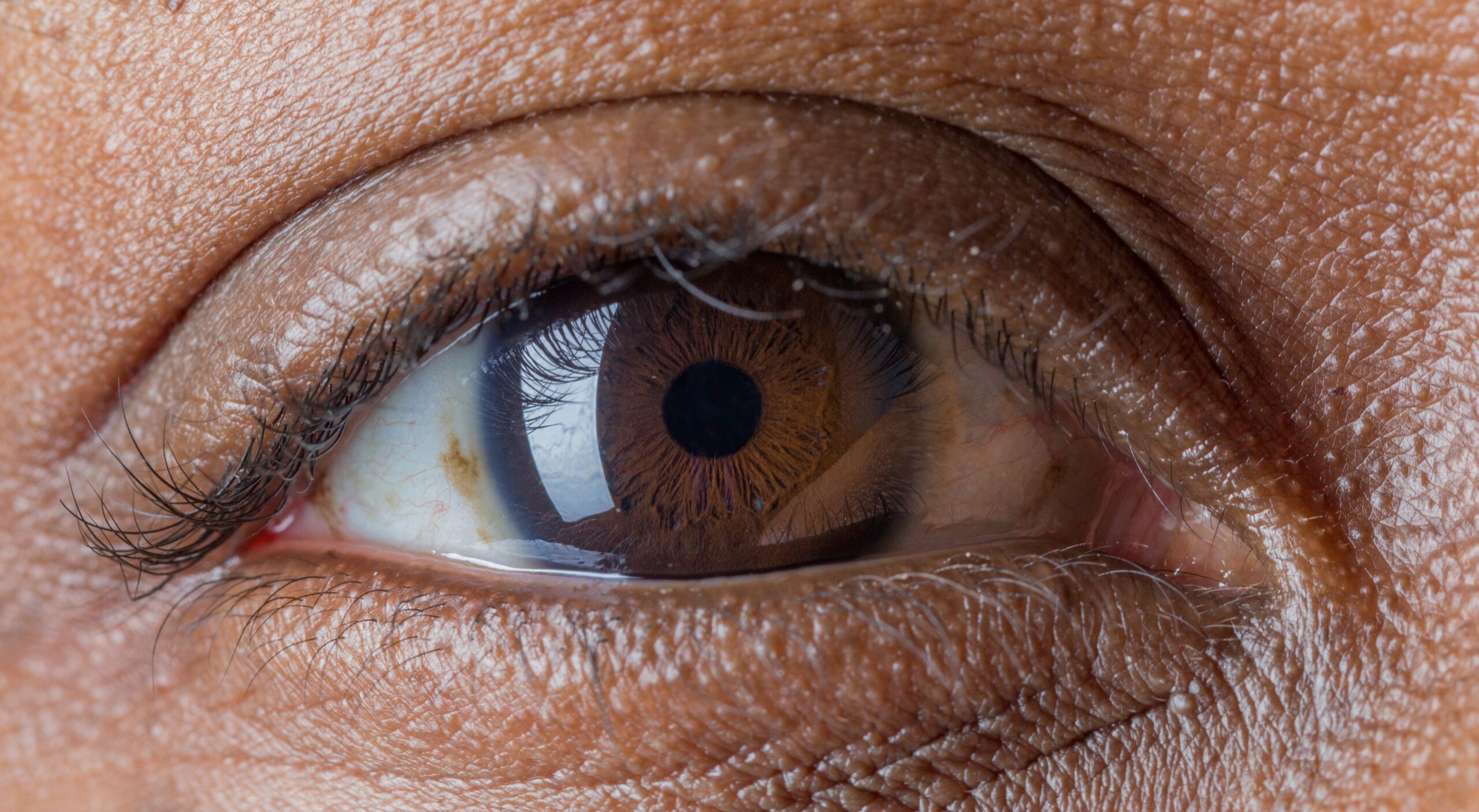
Understanding Retinitis Pigmentosa in Ethiopia
RP is a group of inherited conditions in which the rod and cone cells of the retina gradually break down. Night vision fades first, side vision narrows later, and central vision often lasts longest.
Night blindness can also come from vitamin A deficiency, which is treatable. Specialist tests help tell the two apart, which is why a proper retinal examination matters before any conclusion is drawn.
How RP is confirmed
Specialist retina care is concentrated in larger cities, so keep every report you receive.
- Dilated retinal examinationLooks for the typical pigment deposits.
- ERGMeasures how rods and cones respond to light, and helps separate RP from deficiency.
- OCT scanShows the layers of the retina.
- Visual field testMaps how much side vision remains.
- Genetic testingOffered where it can be arranged, to name the gene involved.
Treatments with genuine evidence
Which ones apply depends on your RP type and eye health.
Cataract surgery
Cataracts appear earlier in RP, and removing them can improve remaining vision.
Macular swelling treatment
Medication can sometimes help where swelling affects central vision.
Vitamin A palmitate
Only under medical supervision, as high doses can be harmful.
Gene therapy
Applies only to confirmed RPE65 mutations.
Living with RP and getting a review from Ethiopia
Support at home and a clear first step.
Safer movement
Clear walkways, good lighting and a torch at dusk.
Where stem cell therapy fits
Experimental, not an approved cure, discussed only after examination.
Send your reports
WhatsApp +91-9760013103. The time difference with India is only a few hours.
Travel
Check visa options and flight routes before planning a visit.
Our Medical Experts – Trusted Specialists
Eye Stem Cell Center brings together pioneers in stem cell biotechnology and highly experienced ophthalmologists to provide advanced regenerative eye care with compassion and precision.
Dr. Pallavi
Senior Consultant | Ophthalmologist & Eye Surgeon22+ Years ExperienceDr. Pallavi is renowned for her expertise in cataract and corneal surgeries. With thousands of successful procedures, she combines surgical precision with a patient‑first approach.
Get Consultation
Dr. Robin
Consultant Ophthalmologist & Eye Surgeon | MD, DO16+ Years ExperienceDr. Robin specializes in advanced cataract surgery, refractive procedures, and keratoconus treatment. His clinical excellence ensures patients receive world‑class eye care.
Get Consultation
Dr. Pawan
Associate Professor | Vitreo-Retina Surgeon10+ Years ExperienceDr. Pawan is an expert in retinal disorders, diabetic retinopathy, and advanced retina procedures. His patient‑focused approach ensures precise treatment and long‑term vision care.
Get Consultation
Frequently asked questions
Is all night blindness RP?
No. Vitamin A deficiency and other conditions can cause it too, so a retinal examination is needed.
Can RP be cured?
Not in general. One gene therapy exists for a specific genetic type only.
Can I get an opinion without travelling?
Yes. A first review of your reports can be done remotely.
RepOcean verifies that the original source of the review is Google. Eye Stem Cell Center gave me hope when traditional treatments failed. The doctors explained everything clearly and guided me through the stem cell therapy process. I’ve noticed real improvements in my vision, and I’m grateful for their dedication. This clinic is a blessing for anyone struggling with progressive eye diseases.
RepOcean verifies that the original source of the review is Google. The staff at Eye Stem Cell Center truly put patients first. From the initial consultation to follow-ups, they were attentive and supportive. I appreciated their honesty about stem cell therapy being experimental but still offering real improvements. Meeting other patients who shared positive outcomes gave me confidence in their work.
RepOcean verifies that the original source of the review is Google. Eye Stem Cell Center is a place of hope. The team is caring, knowledgeable, and dedicated to helping patients with complex eye disorders. My consultation was clear and reassuring, and I left feeling confident about their approach. Highly recommended!
RepOcean verifies that the original source of the review is Google. I had an excellent experience at Eye Stem Cell Center in Ghaziabad (Delhi-NCR). The team here is highly professional and compassionate, taking the time to explain every step of the stem cell therapy process. What impressed me most was their dedication to offering hope for conditions often considered incurable, such as macular degeneration, glaucoma, optic nerve atrophy, and retinitis pigmentosa
RepOcean verifies that the original source of the review is Google. One of the best centers for advanced eye treatment. The team is very professional and caring. I really liked how they focus on personalized care and make sure the patient understands every step. Highly satisfied with my visit.
RepOcean verifies that the original source of the review is Google. Great experience overall! From booking the appointment to consultation, everything was smooth. The staff is friendly, and the doctors are very approachable. They focus on patient comfort and provide detailed explanations about the treatment.
RepOcean verifies that the original source of the review is Google. Very professional and well-managed center. The team takes time to understand your condition and suggests the best possible treatment. I felt very confident after my consultation. Clean facility and supportive staff made the experience even better.
RepOcean verifies that the original source of the review is Google. I visited Eye Stem Cell Center for consultation and had a really good experience. The doctors are knowledgeable and explain everything clearly. The staff is polite and helpful, and the overall environment is very comfortable. Highly recommended for anyone looking for advanced eye care treatments.
RepOcean verifies that the original source of the review is Google. My experience with Eye Stem Cell Center has been very good. Well Coordinated team work. Mr. Prshant is very genuine person. The consultation process was detailed and the team answered all my questions patiently. I appreciate their transparency about treatment outcomes. Overall, a trustworthy place for eye care.
RepOcean verifies that the original source of the review is Google. Eye Stem Cell Center has been a life‑changing experience for me. The doctors are highly professional, compassionate, and explained every step of the treatment clearly. The staff is supportive and caring, making me feel comfortable throughout the process. I noticed real improvements in my vision and overall eye health. The clinic is clean, well‑organized, and follows ethical practices. I would highly recommend this center to anyone seeking advanced eye care and stem cell therapy.